Yesterday, we did something that, not too long ago, would have felt far beyond our reach.
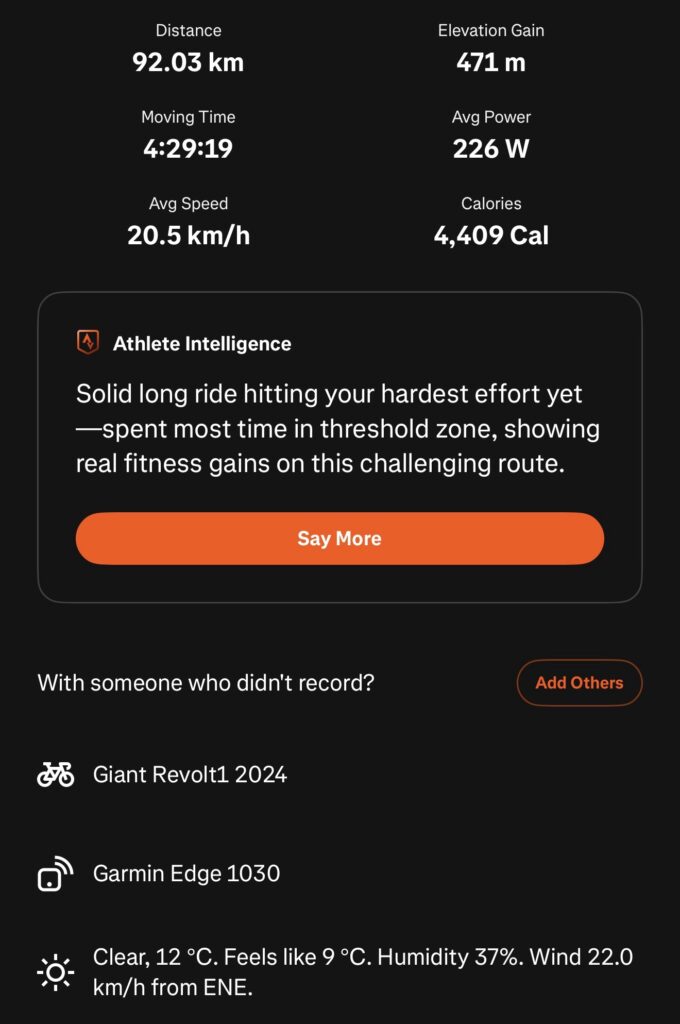
As a family, we completed a 93-kilometre charity cycle ride.
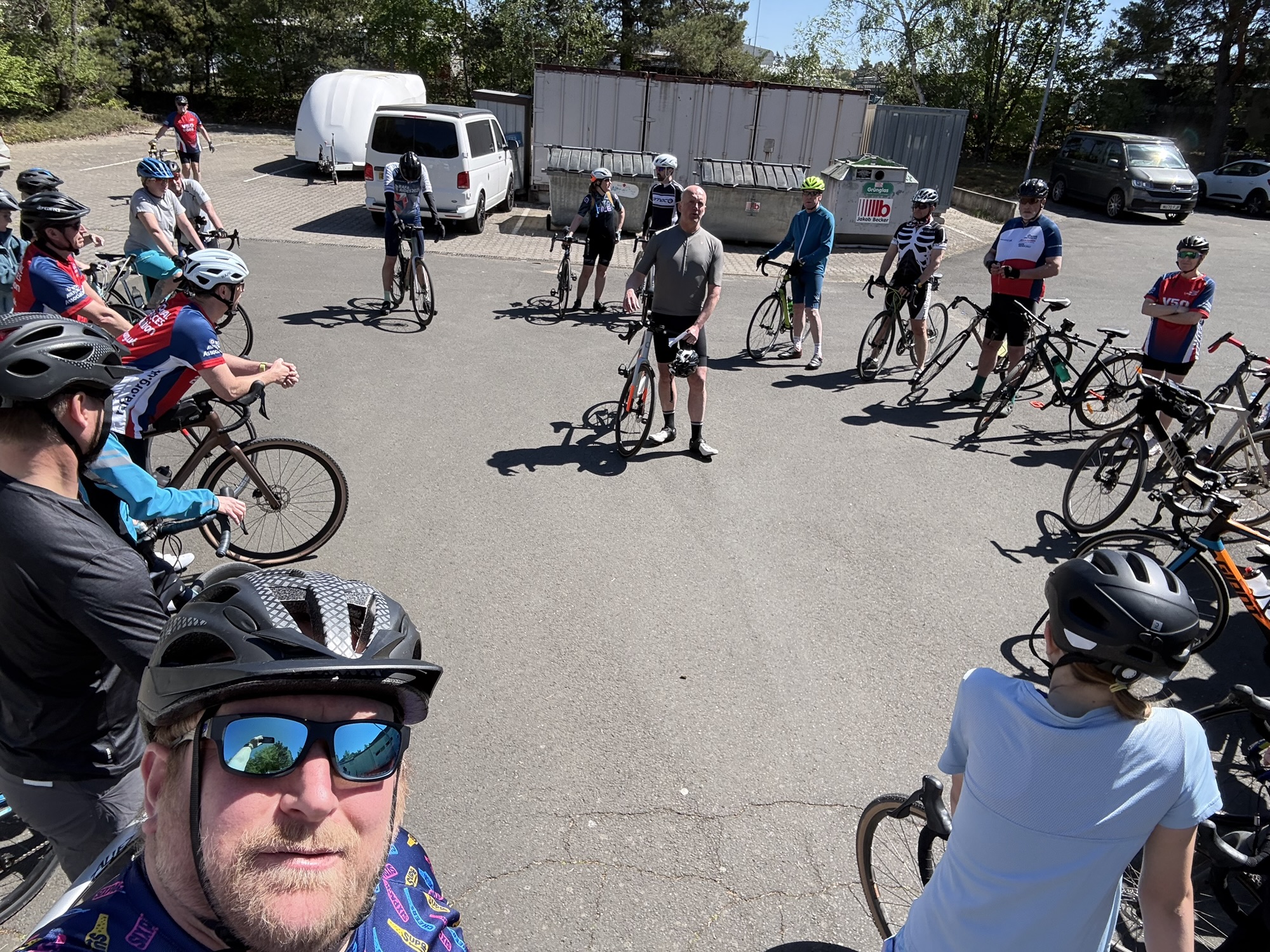
Twenty-four riders set out together, with a real mix of cycling experience, fitness levels, confidence and equipment. Some had years of riding behind them. Others were still figuring out gear changes, group etiquette and pacing. It was one of those events where everyone arrives with different strengths, different expectations and different private doubts.
What made the day special wasn’t just the distance. It was what the ride represented: preparation, commitment, trust, resilience, and the cumulative effect of showing up consistently.
For me, this was the longest ride I’ve completed in almost a decade. That fact alone made crossing the finish line meaningful. But what happened around me made it unforgettable.
My 11-year-old daughter rode her gravel bike — the same one she uses for school — and this was her first ever group ride. Despite that, she stayed fully embedded in the fast front group for the entire route. Watching her ride with confidence, composure and strength was extraordinary. She drew a huge amount of attention from the other cyclists, and rightly so. It’s rare enough to see someone that young on a route like that. It’s even rarer to see them perform like she did.
My wife was equally phenomenal.
This was only her fifth road ride ever, on a bike we bought just last weekend, and yet she stayed with the fast group until the closing stages of the ride. To do that with so little road cycling experience says a lot — not just about physical capability, but mindset. She rode with grit, calmness and determination, proving that sometimes your perceived limits are far lower than your actual ones.
As for me, I lost contact with the front group around the 65-kilometre mark.
At that point, I had a choice.
I could dwell on being dropped, compare myself to others, and mentally unravel — or I could focus on what was still in front of me.
I rode the remainder largely solo. The last 20 kilometres were hard. Fatigue set in, the effort became increasingly mental, and the finish still felt a long way away.
But I kept moving.
And I finished.
Crossing that line brought an enormous sense of pride. Not because I was the fastest rider or because everything went perfectly, but because I saw it through.
That matters.
Why Goals Matter
This ride didn’t happen by accident.
It was a goal.
A target that sat ahead of us and quietly shaped decisions over the weeks prior — training sessions, lifestyle choices, mindset shifts, conversations around planning and preparation.
Goals create direction.
Without them, effort can become random and disconnected. With them, effort gains meaning.
This ride gave us a reason to train (albeit briefly), a reason to improve, and a reason to keep showing up even when motivation dipped.
The goal wasn’t just “ride 93km.” The real goal was to become the kind of people capable of riding 93km.
That distinction matters.
The event was the outcome. The process created the transformation.
Know Your Strengths. Respect Your Weaknesses.
One lesson reinforced yesterday is that progress accelerates when you understand yourself honestly.
I know running gives me efficient training stimulus, but I also know I need to limit it to reduce injury risk. Ignoring that weakness would be short-sighted.
Cycling offers a route to build aerobic fitness, improve body composition, and increase training load while reducing impact stress. It takes longer to generate the same training effect compared to running, but it creates opportunity rather than risk.
That matters for longevity.
Recognising weaknesses isn’t about limitation — it’s about intelligent adaptation.
The same applies to strengths.
My daughter showed natural composure, confidence and endurance. My wife showed mental toughness and adaptability. I found resilience when things became uncomfortable.
Strengths become most valuable when we recognise them and deliberately build around them.
Weaknesses become less threatening when we understand them and adjust accordingly.
Progress isn’t built by pretending we can do everything equally well.
It’s built by knowing where to push, where to protect, and where to improve.
The Importance of the Right Support
No meaningful journey happens in isolation.
Yesterday was a reminder that support matters — practically, emotionally and mentally.
The group of 24 riders created energy, accountability and shared purpose.
Family created belief.
Seeing my wife and daughter pushing through their own challenges changed my mindset during difficult moments. Their efforts became fuel.
Support systems don’t remove hardship, but they make hardship more manageable.
The right people can lend confidence when yours fades, perspective when your thinking narrows, and motivation when your energy drops.
This applies far beyond cycling.
Whether you want to improve fitness, build resilience, change habits, lose weight, or develop confidence, your environment matters.
Choose support that strengthens your direction.
Shared Journeys Build Stronger Foundations
One of the most powerful aspects of this challenge was that it belonged to all of us.
It wasn’t my event.
It was ours.
Sharing challenge as a family changes its meaning. The memories become collective. The pride becomes collective. The lessons become collective.
I learned that while comparison can distract, resilience can refocus.
As a family, we learned that discomfort is temporary but achievement has lasting impact.
There’s something deeply valuable about building a life where growth is visible to the people closest to you — and where they become active participants in it.
The Numbers Tell One Story. The Journey Tells the Real One.
The data gives useful perspective.
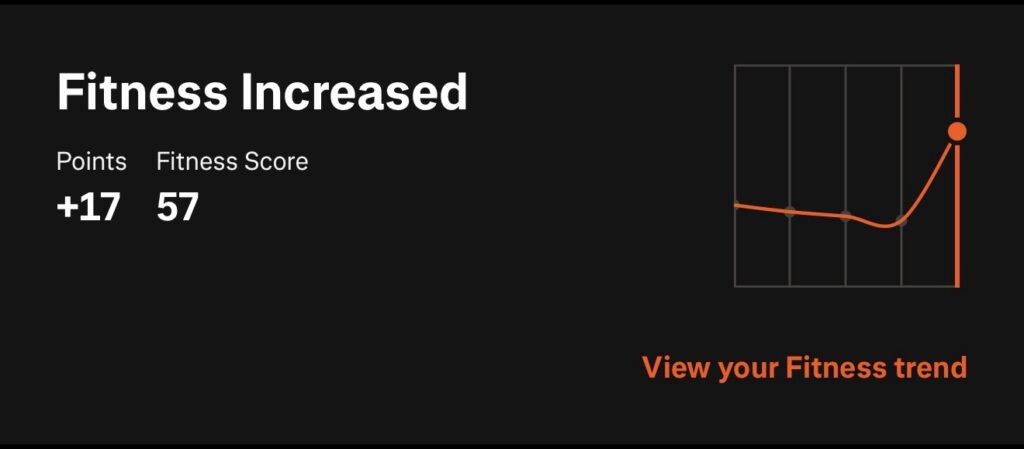
My Strava fitness score is now more than double what it was at the start of the year.
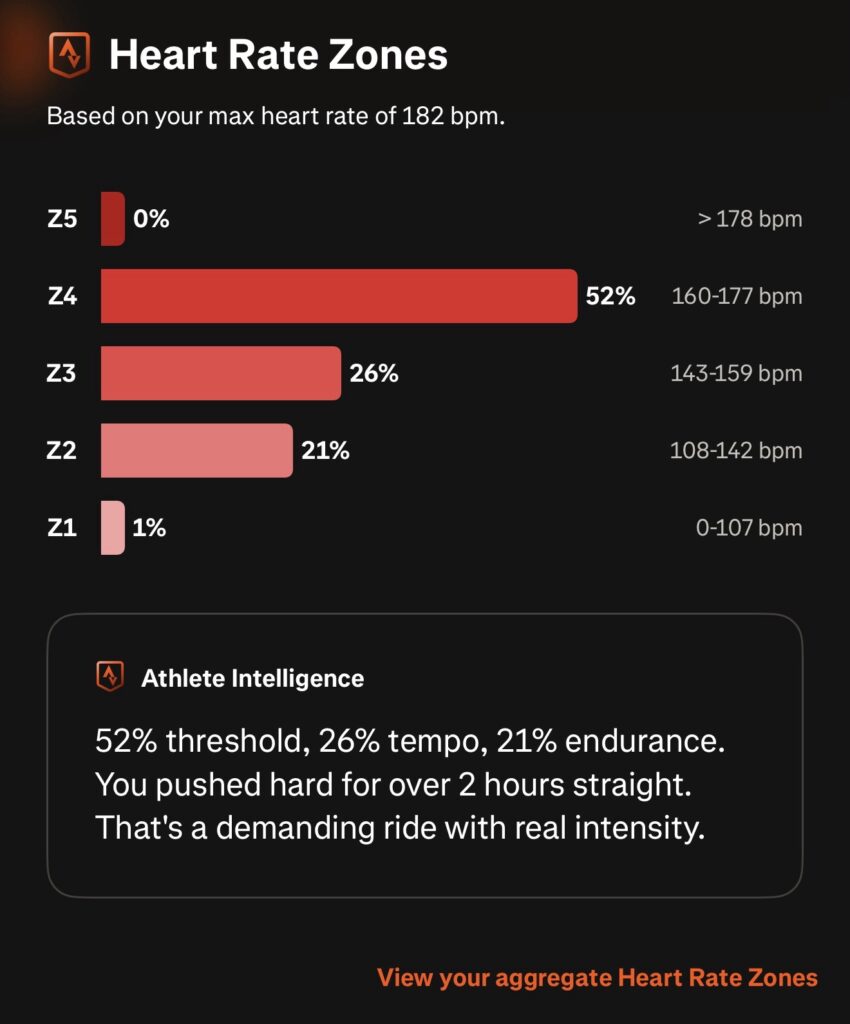
My April MyZone target sits at nearly four times the recommended level.
Those numbers matter because they show consistency.
But numbers are only evidence.
The real story is behavioural change.
The real story is becoming healthier, stronger, more resilient and more confident.
The real story is a family deciding to move forward together.
Yesterday’s 93 kilometres wasn’t the finish line.
It was proof.
Proof that goals matter.
Proof that support matters.
Proof that self-awareness matters.
Proof that progress compounds.
And proof that extraordinary moments are often built through very ordinary acts of consistency.
Now, I’m already thinking about the next target.
Perhaps it’s time for solo weekend morning rides. Time to build confidence riding independently. Time to continue using cycling as a tool for fitness, recovery, body composition and resilience.
The destination matters.
But increasingly, I’m learning that the journey — especially when shared — matters more.
Yesterday we rode 93 kilometres.
But what we really built was belief.